
Material
Engineered Hardwood Flooring
Engineered hardwood is a real wood floor built in layers. The top layer, called the wear layer, is actual hardwood such as oak, maple, hickory or walnut. Under it is a core of thin plywood sheets, glued so the grain of each sheet runs across the one below. That cross-laid core is the whole point. It resists the seasonal swelling and shrinking that a solid plank goes through.
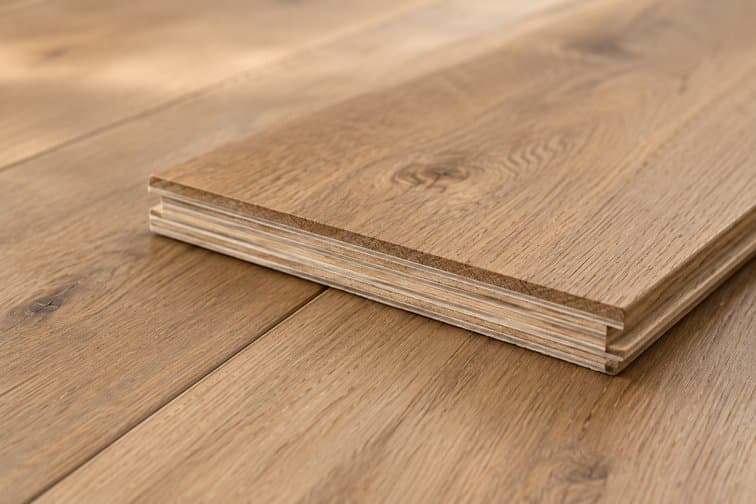
Because it moves so much less, engineered goes where solid hardwood usually isn't recommended: over a concrete slab, into a basement with a dry slab, and over in-floor heating. For a lot of townhouses and basement suites around Maple Ridge and Pitt Meadows, it's the practical way to get real wood underfoot. It still behaves like wood, though. It isn't waterproof, it dents, and the thickness of the top layer decides whether it can ever be sanded. Understand those three things before you pick a box.
Why homeowners choose it
Real wood on top
What you see and touch is real hardwood, not a printed picture of it. It has real grain and it feels like wood underfoot because it is wood.
Stable where solid isn't
The cross-laid ply core resists the swelling, cupping and gapping that keep solid hardwood away from concrete slabs, basements and in-floor heat.
Can be renewed if the wear layer is thick
A wear layer of about 3mm or more can usually be sanded and refinished later on. Thin veneers can't, so check the wear-layer number on the box.
Finished before it arrives
Most engineered flooring is finished at the factory. That means no sanding, stain or finish fumes on install day, and you can walk on a floating floor as soon as it's down.
The honest version
Pros and cons
Pros
- A real hardwood surface, with the look, feel and sound of wood
- Can go over concrete, into basements with a dry slab, and over in-floor heating where the product is approved for it
- Moves far less through the seasons than solid hardwood
- A thick wear layer can be sanded and refinished years from now
- The factory finish means no sanding or finish fumes in the house on install day
Cons
- Not waterproof. Standing water or a slow leak will damage the wood top and the core, so it's the wrong floor for full bathrooms, laundry rooms and damp slabs
- It dents and scratches like any real wood. Laminate's surface generally stands up to scratches better
- Thin wear layers (around 1mm or less) can't be sanded, so seeing "hardwood" on the box doesn't mean you can renew the floor
- It usually costs more than laminate or vinyl plank, and you need to keep indoor humidity in a reasonable range to keep winter gaps small
Wear layer: the number that decides whether it can be sanded later
The wear layer is the real hardwood on top, measured in millimetres. It's the most important number on a box of engineered flooring, and it's the one that gets explained least often. Products range from a thin veneer of about 0.6mm up to 4mm and beyond.
Its main job is to allow sanding in the future. A full sand-back takes off roughly a millimetre of wood. Very roughly, a thin veneer can't be sanded at all, because the sander goes straight through to the plywood. Around 2mm allows one careful sanding at best. A 3mm layer can usually be sanded and refinished once or twice in the floor's life, and 4mm or more allows several.
A thicker wear layer doesn't make the floor tougher from day to day. Resistance to scratches and dents comes from the factory finish and from how hard the wood species is. A hickory floor with a thin wear layer will usually resist dents better than a walnut floor with a thick one. When the finish itself wears, it can often be recoated without sanding into the wood. The product's care instructions will say how.
WoodPro installs engineered floors and refinishes wood floors too. Before an engineered floor is sanded, the wear layer has to be checked, because it decides whether sanding is possible at all. Future sanding is the main thing you're paying for when you pay extra for a thicker wear layer. If you're unlikely to ever sand the floor, as with a rental suite you plan to redo in ten years, a thinner wear layer with a hard factory finish may be all you need.
Over concrete, in basements and over in-floor heat
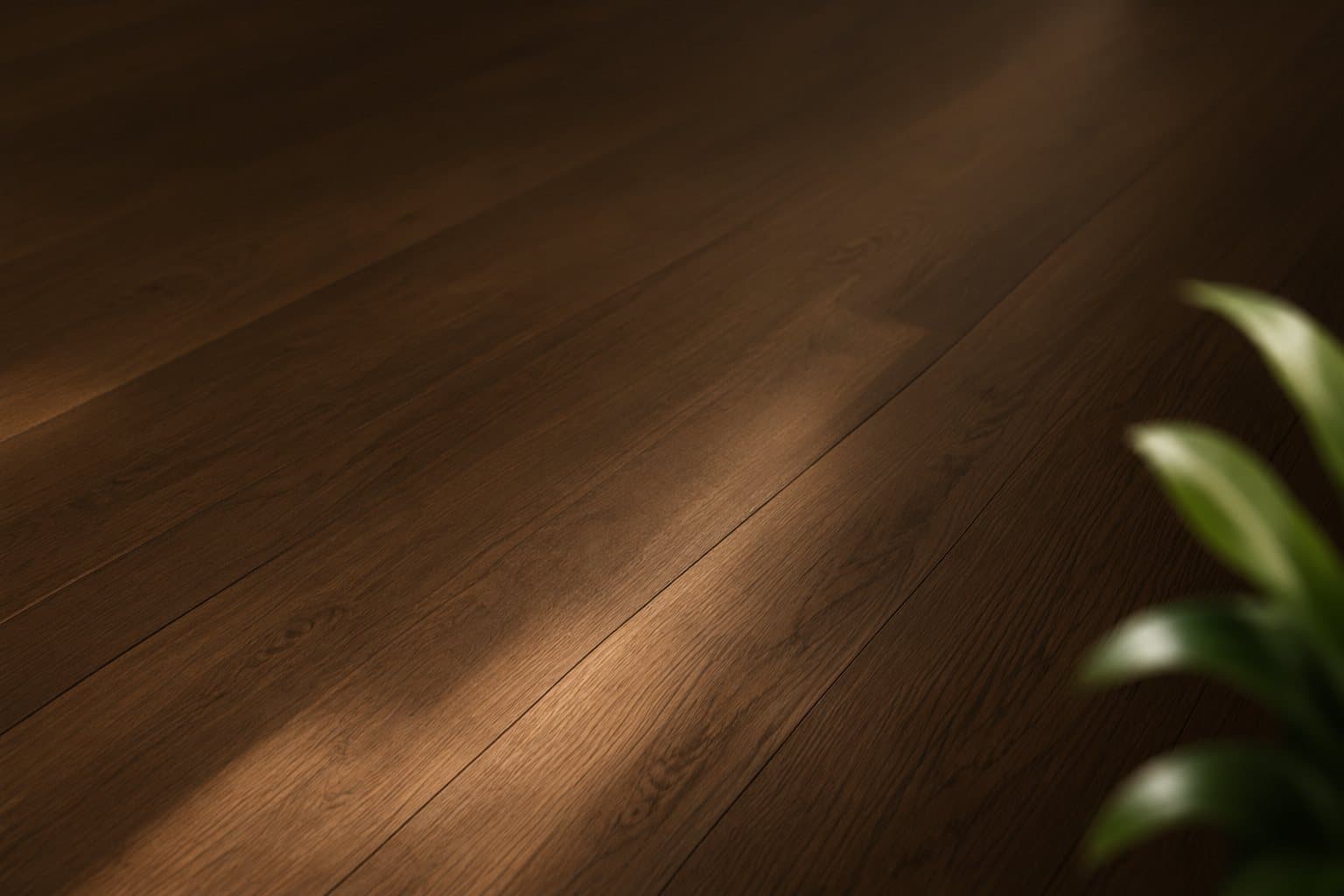
Solid hardwood is usually nailed into a wood subfloor, and it takes on moisture from whatever it sits on. Over a slab it picks up moisture from below and cups. Engineered's cross-laid core resists that movement, and it doesn't have to be nailed. It can float on an underlay or be glued down, so a concrete slab is no longer a problem as long as it's dry and flat. That depends on a real plywood core. Some boards put a wood veneer over a fibreboard core instead. They look identical in the box, but if water reaches them they react more like laminate.
On a slab, something has to stop ground moisture reaching the wood. That can be a plastic sheet under the underlay, an underlay with the barrier built in, or, for a glued floor, an adhesive rated as a moisture barrier. Concrete on or below the ground passes moisture up from the soil, and without the barrier the boards take it in.
Flatness matters more than people expect. For floating and glued floors, most makers set a limit of about 1/8 inch in 6 feet or 3/16 inch in 10 feet; nailed floors are allowed a little more. A floating board over a hump rocks and creaks. A glued board over a low spot never beds properly into the adhesive, and that patch sounds hollow when you walk on it. If a slab is outside the limit, the high spots are ground down and the low spots filled with levelling compound before the floor goes in.
In-floor heating is where engineered really pays off, but each product has to be approved for it. The usual rules are these. The heat is turned down before installation and brought back up gradually over several days afterwards. The floor surface is kept below the manufacturer's limit, which is often around 27°C. Nails and staples are avoided wherever heating tubes or wires run in or just under the subfloor. Area rugs also trap heat, so think twice before putting a large rug on a heated floor.
Acclimation, humidity and water
Engineered is more stable than solid, but it's still wood, and it arrives at the moisture level of the warehouse it came from. Before installation, the boxes should sit in the rooms where they'll go, with the house at normal living conditions: heat on, windows in, and drywall and paint dry. How long depends on the product. Some manufacturers want the boxes opened for a few days. Others want them kept sealed until installation. Follow the instruction sheet, because the manufacturer's warranty is written around it.
Moisture readings come before the first board goes down. Over a plywood subfloor, the boards and the subfloor should read within a few points of each other, and the product's instructions give the limit. A concrete slab is tested differently, against a separate limit the manufacturer sets for concrete. If either is out, waiting is cheaper than the alternative. A floor fastened down before it has adjusted to the house is the one that opens gaps in February.
Once the floor is in, the house matters too. Most manufacturers ask you to keep indoor humidity roughly between 35 and 55 per cent. Air in the Lower Mainland is damp most of the year, but a heated house in January can be very dry inside, and dry air opens thin gaps between boards. Some gapping that closes again in spring is normal for wood. Running a humidifier in winter keeps the gaps small.
And it isn't waterproof. A spill you wipe up is fine. Standing water, a slow dishwasher leak or a pet bowl that overflows every day will stain the wood and swell the edges of the core. For full bathrooms and laundry rooms, luxury vinyl plank or vinyl tile is the better choice, and the same goes for any basement slab that has ever been damp. We'll tell you so.
FAQ
Engineered Flooring: common questions
Something we haven't covered? Ask — the person who answers is the one who does the work.
Is engineered hardwood real hardwood?
Yes. The surface you walk on is a layer of real hardwood, sawn or sliced from the tree, with the grain and colour variation that comes with it. What's different from solid hardwood is underneath: a cross-laid plywood core instead of one thick piece of wood. That's also the difference from laminate, which is a printed picture of wood. Check the core, though. Some budget boards use fibreboard under the veneer, and those handle moisture more like laminate than wood.
Can engineered hardwood go over in-floor heating?
Many products are approved for it, but check the specific product before you buy. The heat is turned down before installation and brought back up slowly over several days afterwards. The floor surface is kept under the manufacturer's limit, often around 27°C. Floating and glued installs are the usual choices over heat, because nails and staples can hit the tubes or wires.
How many times can engineered hardwood be refinished?
It depends on the wear layer, since each full sanding removes about a millimetre of wood: none for a veneer under about 1mm, one at best around 2mm, one or two at 3mm, and several at 4mm or more. When the factory finish wears but the wood underneath is fine, a recoat without sanding is often enough. The wear layer is worth checking when you're choosing between two boxes. On a floor that's already down, it can often be seen at the edge of a board where a floor vent lifts out. WoodPro refinishes wood floors too, so it's worth asking about when you call.
Why are there gaps between my boards in winter?
Dry indoor air. When the heat is running, the humidity inside can drop well below what wood likes, and each board shrinks slightly. Engineered moves much less than solid, but it still moves. Small gaps that close again in spring are normal. Wide gaps, or gaps that never close, usually mean the boards went down before they had adjusted to the house, or a heated floor is running hotter than the product allows.
Is engineered hardwood tougher than laminate or vinyl plank?
Not on the surface. Laminate's melamine top generally resists scratches better than a wood floor, and vinyl plank is waterproof, which engineered isn't. What engineered gives you is real wood: the look, the feel and, with a thick enough wear layer, the option of sanding it back years from now. Laminate and vinyl get replaced when they wear out. Engineered can be renewed.
Goes well with
Related services & materials
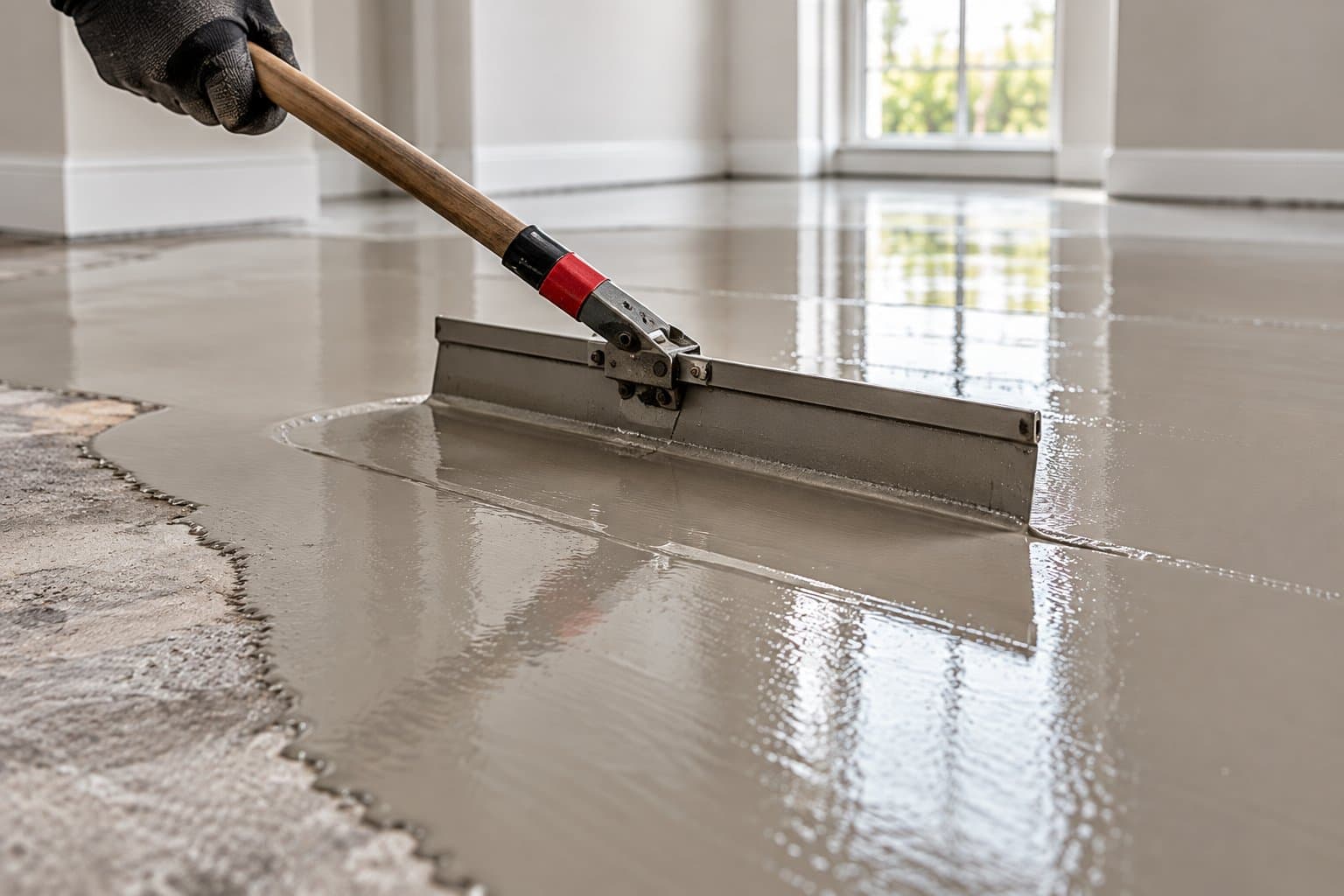
Floor Levelling
High spots ground down and low spots filled before the new floor goes in, so the planks sit flat instead of flexing at the seams with every step.
Learn more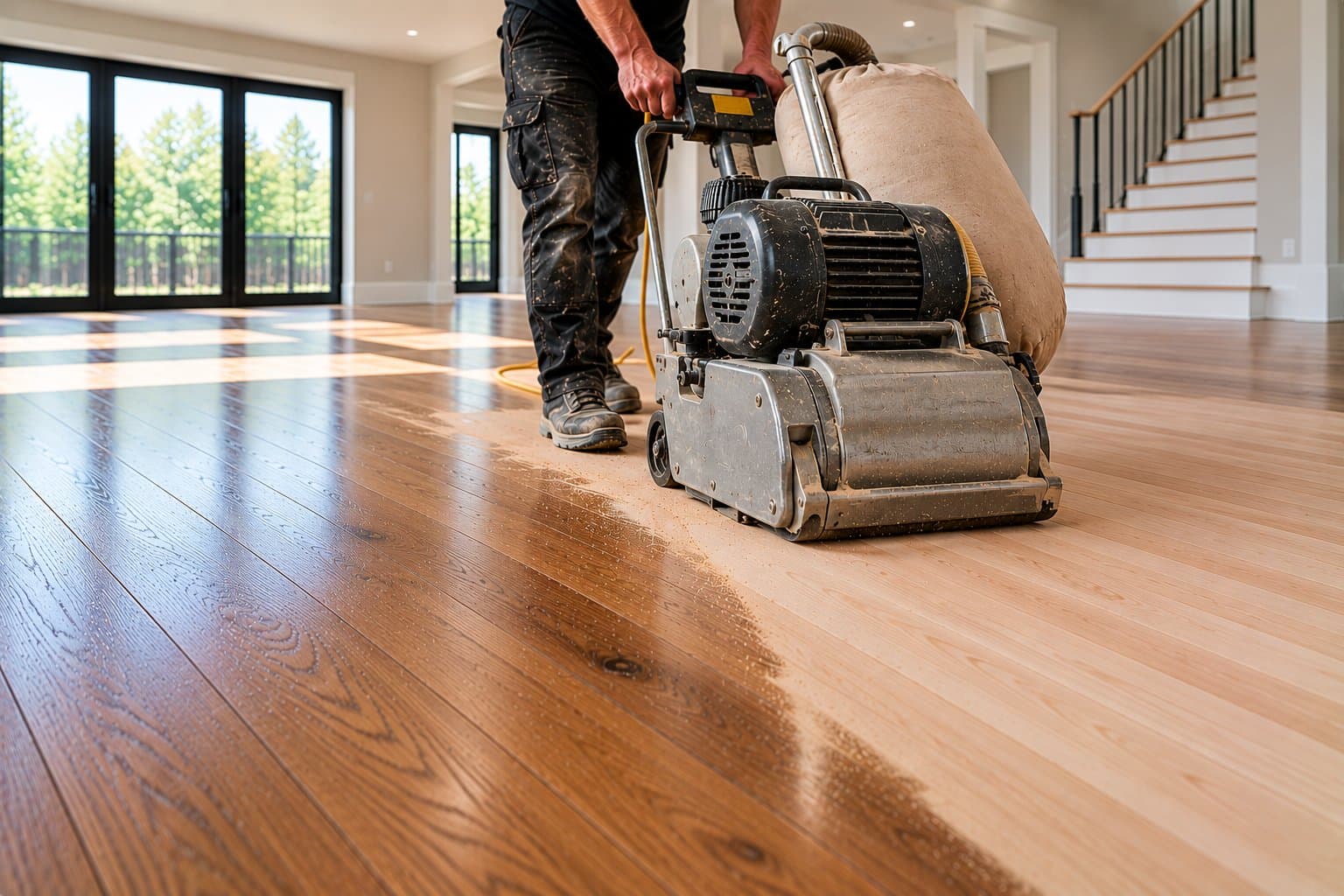
Floor Refinishing
Worn hardwood sanded back to bare wood, stained if you want a new colour and sealed with fresh finish, or just recoated when only the finish is worn.
Learn more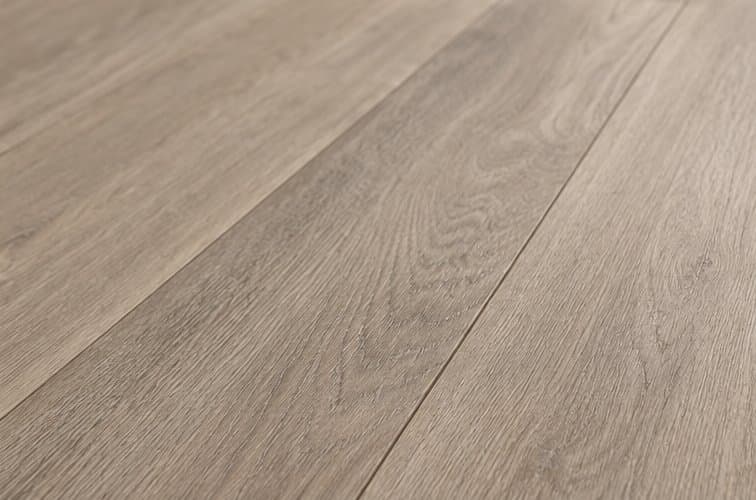
Luxury Vinyl Plank
A plank that water won't swell, for basements, kitchens and homes with pets, as long as the floor underneath is flat.
Learn more
Free Estimate
Let's talk about your floor.
Call (604) 787-5557 or request a Free Estimate online. The on-site measure is free, there's no obligation, and you'll usually hear back the same day.