Material
Luxury Vinyl Plank (LVP) Flooring
Luxury vinyl plank (LVP) is a click-together plank with a clear wear layer on top, a printed wood look beneath it, and a core that doesn't absorb water. Spill on it, mop it, let the dog have an accident on it: the plank won't swell. That is why it has become a common choice for basements, kitchens, front entries and rental suites.
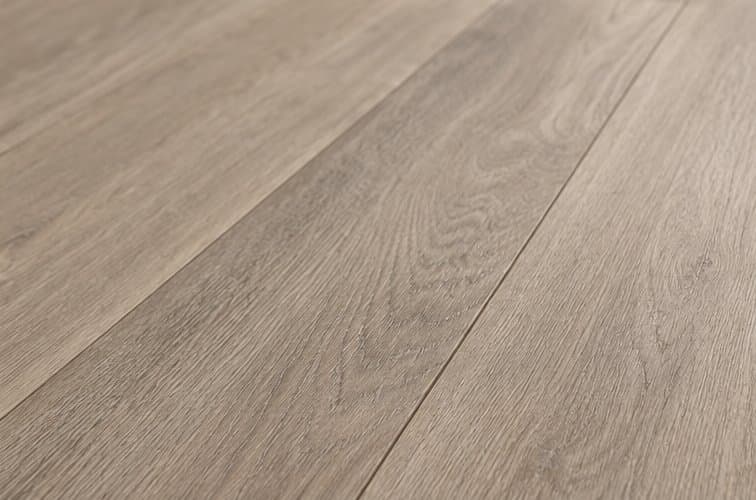
What LVP won't forgive is a bumpy floor underneath. The planks are thin and stiff, so a dip in the subfloor becomes a spot that flexes with every step, and over time the click joint can give out. This page covers how to pick the core and wear layer that suit your house, what the plank does and doesn't protect, and the preparation that decides whether the floor lasts.
Why homeowners choose it
The core doesn't absorb water
The core is either a dense mix of limestone powder and PVC (SPC) or a foamed, plastic-sealed composite (WPC). Neither soaks up water the way laminate's wood-fibre core can, so a spill, a pet accident or a puddle from wet boots gets wiped up and the plank is unchanged.
Suited to basements, kitchens and entries
Moisture coming up through a concrete slab won't swell it, though most makers still set a slab moisture limit and ask for a vapour barrier. It handles kitchen spills and the wet boots a Lower Mainland winter brings through the front door.
You choose how tough it needs to be
The wear layer comes in different thicknesses. 12 mil suits a family home; 20 mil is worth it with dogs or in a rental suite.
Quieter and warmer than it looks
Many planks come with a pad attached to the back, which softens footsteps and takes some of the chill off a concrete floor.
The honest version
Pros and cons
Pros
- The plank itself is waterproof: spills, pet accidents and wet boots don't swell or damage it.
- Quieter and warmer underfoot than most hard floors, especially with an attached pad.
- A 20 mil wear layer stands up well to dogs, kids and tenants.
- Along with vinyl tile, the most forgiving choice over a basement slab, where laminate and engineered wood need the concrete to stay dry.
- Because the planks click together rather than being glued, a section can usually be lifted to dry out a leak underneath, then relaid.
Cons
- Unforgiving of an uneven subfloor. Dips and humps lead to broken joints, so levelling can become part of the job.
- The surface is softer than laminate: tracked-in grit scratches it, heavy point loads can dent it (WPC more than SPC), and rubber-backed mats can stain it.
- Vinyl expands as it warms. Planks beside big sunny windows need their full expansion gap, and blinds in the hottest part of the day help. SPC moves less than WPC.
- It protects itself, not the subfloor. Water that gets in at the walls or seams can sit on the floor below with nowhere to evaporate.
Choosing the plank: SPC or WPC, and the wear layer
Two things on the box matter more than the rest: the core type and the wear layer. The total plank thickness that showrooms tend to lead with includes the core and the attached pad, and it says very little about how the surface will look in five years.
SPC (stone plastic composite) has a dense core made mostly of limestone powder bound with PVC. It is hard, it resists dents from appliances and heavy furniture, and it moves less with temperature than other vinyl. That stability makes it the safer pick beside big sunny windows and across long open-plan runs.
WPC (the letters first stood for wood plastic composite) has a thicker, foamed core of plastic, sometimes with wood flour mixed in and sealed by the plastic. It is softer, warmer and a little quieter underfoot, which suits bedrooms and living rooms. The trade-off is that it dents more easily under point loads like chair legs and narrow table feet, and it moves a little more as the room heats and cools.
The wear layer is the clear film on top, measured in mils (a thousandth of an inch). For a family home, 12 mil (about 0.3 mm) is a sensible minimum. With dogs, or in a rental where you don't control how the floor is treated, go to 20 mil (about 0.5 mm). Thinner wear layers are sold, and they are why some vinyl floors show traffic paths and scratches within a few years.
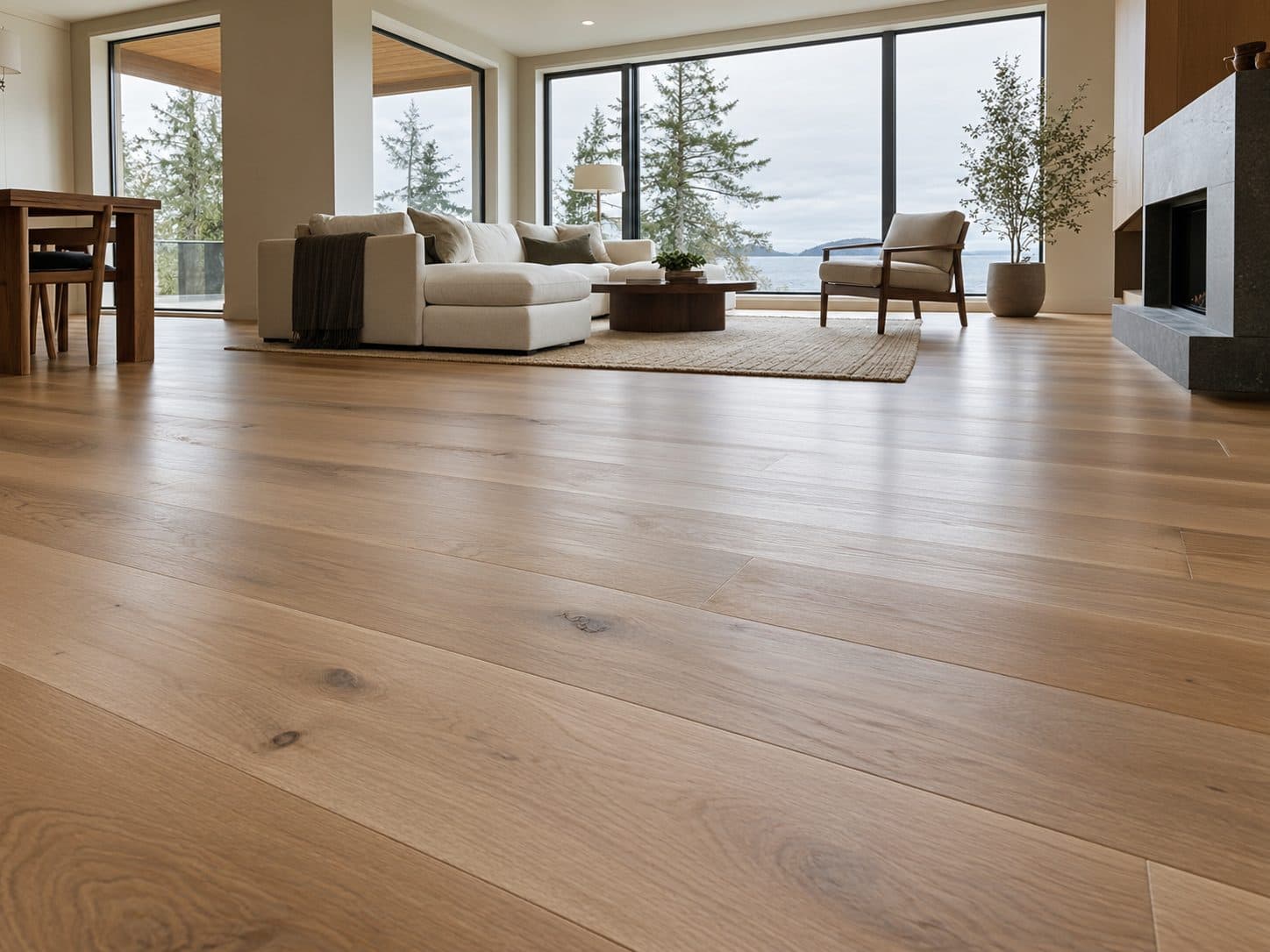
Basements and kitchens: where vinyl plank earns its place
"100% waterproof" describes the plank. The core doesn't absorb water, so it won't swell, bubble or come apart, even if water sits on it for a while.
It doesn't make the subfloor waterproof. Water that runs in at the walls or through the seams ends up underneath, and vinyl doesn't let it evaporate back up. Over plywood, left long enough, that means rot. The upside of a click floor is that it can usually be lifted so the floor underneath can dry.
Basements: a concrete slab is cold and slowly gives off moisture from the ground. That moisture won't swell the plank, but most manufacturers still set a limit for how damp the slab can be, and ask for a plastic vapour barrier over concrete unless the attached pad already includes one. The plank's own instructions decide. Slabs are also rarely as flat as they look, which matters more than anything else on this page.
Kitchens: a floating floor has to be free to expand and contract, so it runs up to the cabinets, not under them, and a heavy island shouldn't be fixed down on top of it. Pinning the floor is one of the most common reasons vinyl plank opens up at the seams. When the fridge or range slides back in, lay down a sheet of hardboard first; a loaded appliance wheel can gouge even a thick wear layer.
The floor underneath: flatness and the attached pad
Rigid planks ride over very small imperfections, but not a real dip or hump. Over a low spot the plank flexes each time someone steps on it, the click joint works back and forth, and eventually it can break. You see it as gaps, raised edges, a soft or bouncy spot, or a clicking sound underfoot. That is a subfloor problem, not a product fault, and manufacturer warranties generally won't cover it.
Most manufacturers ask for the subfloor to be flat within about 3/16 inch over 10 feet (roughly 5 mm over 3 metres), and some rigid-core products ask for tighter; your plank's instructions set the number. Flat is not the same as level. A floor can slope gently across a room and be fine, while a dead-level floor with a dip in the middle is not. The fix is grinding the high spots and filling the low ones, which is what floor levelling is for.
Many planks come with a pad bonded to the back, usually foam or cork. It softens footsteps and takes the chill off a slab, but it is not a leveller. Don't add a second cushioned underlay beneath it: a double cushion lets the joints flex and can void the manufacturer's warranty. The attached pad is also usually what gives a plank its sound rating, which is the number to check if your strata sets one.
Floating floors also need an expansion gap at every wall, and some need a break at doorways on long runs. Baseboards or shoe moulding cover that gap, which is why they come off before the install and go back on after it.
FAQ
Luxury Vinyl Plank: common questions
Something we haven't covered? Ask — the person who answers is the one who does the work.
Water got under my vinyl plank. Is the floor ruined?
Usually not. The planks themselves come through fine; it's the subfloor that's at risk. Vinyl doesn't let trapped water evaporate upward, so a wood subfloor can stay wet long enough to rot or grow mould. Because click planks aren't glued, the usual fix is to stop the leak, unclick the planks back from the nearest wall, let the subfloor dry out fully and relay them, replacing any whose joints were damaged coming up.
What wear layer should I buy if I have a dog?
20 mil. A 12 mil wear layer is fine for a typical family home, but claws and the grit a dog tracks in wear the surface faster, and 20 mil gives you room for that. The same goes for rental suites. Whatever the wear layer, keep nails trimmed and put a mat inside the door to catch grit, just not a rubber-backed one, which can stain vinyl.
My vinyl plank has a pad attached. Do I need underlay too?
Usually not, and adding one can cause problems. A second layer of cushion lets the click joints flex, which is how they break, and many manufacturers void the warranty for it. The exception is a thin plastic vapour barrier over concrete when the instructions call for one; that is there for moisture, not cushioning.
Should old sheet vinyl come up before new plank goes down?
Not always. If the old floor is flat, firmly stuck down everywhere and not the cushioned kind, the new plank can often float over it. Cushioned sheet vinyl, or anything loose, soft or hollow-sounding, has to come up first. In an older home there's another reason to think before tearing it out: sheet vinyl, vinyl tiles and the glue under them can contain asbestos in homes built before about 1990. Under BC's workplace safety rules, material like that has to be tested by a qualified person before a contractor disturbs it, and removing anything that tests positive is work for a licensed asbestos abatement contractor. Where the old floor is sound, floating the new plank over it leaves it undisturbed.
Why do some vinyl plank floors open up at the seams?
Almost always because the floor couldn't move or flex the way it was designed to. The usual causes are a subfloor that wasn't flat enough, so the joints flexed until they broke; no expansion gap at the walls; a floating floor pinned down under cabinets, an island or a built-in; or strong sun heating one area so it grew more than the rest. The product is rarely the cause, which is why the preparation matters more than the name on the box.
Goes well with
Related services & materials
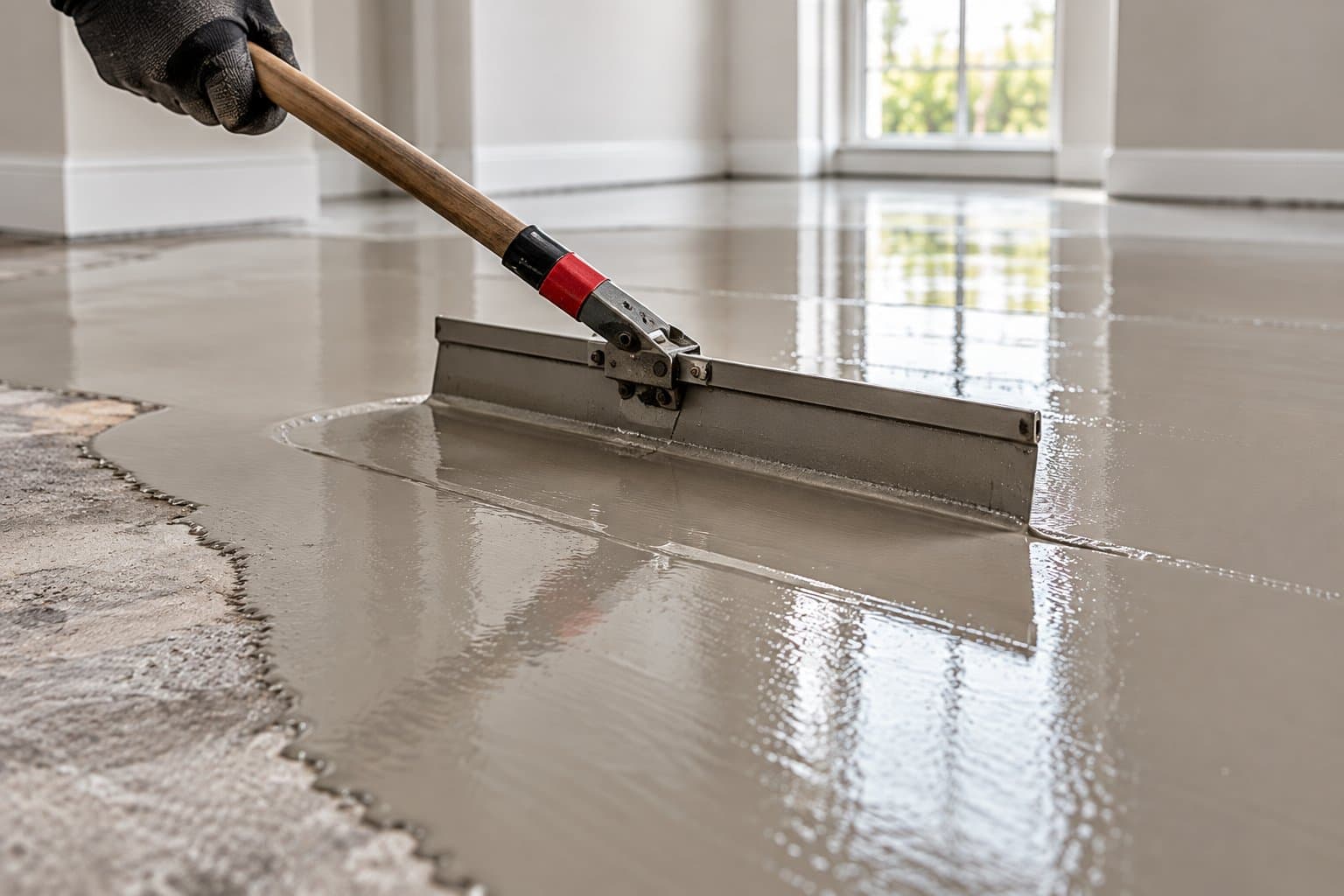
Floor Levelling
High spots ground down and low spots filled before the new floor goes in, so the planks sit flat instead of flexing at the seams with every step.
Learn more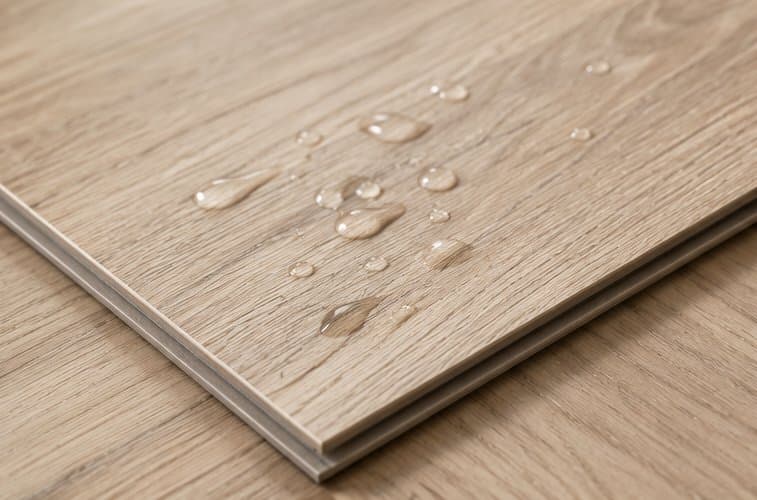
Waterproof Laminate
12mm AC4 laminate that resists scratches and handles everyday spills, supplied, delivered and installed, with samples available before you choose.
Learn more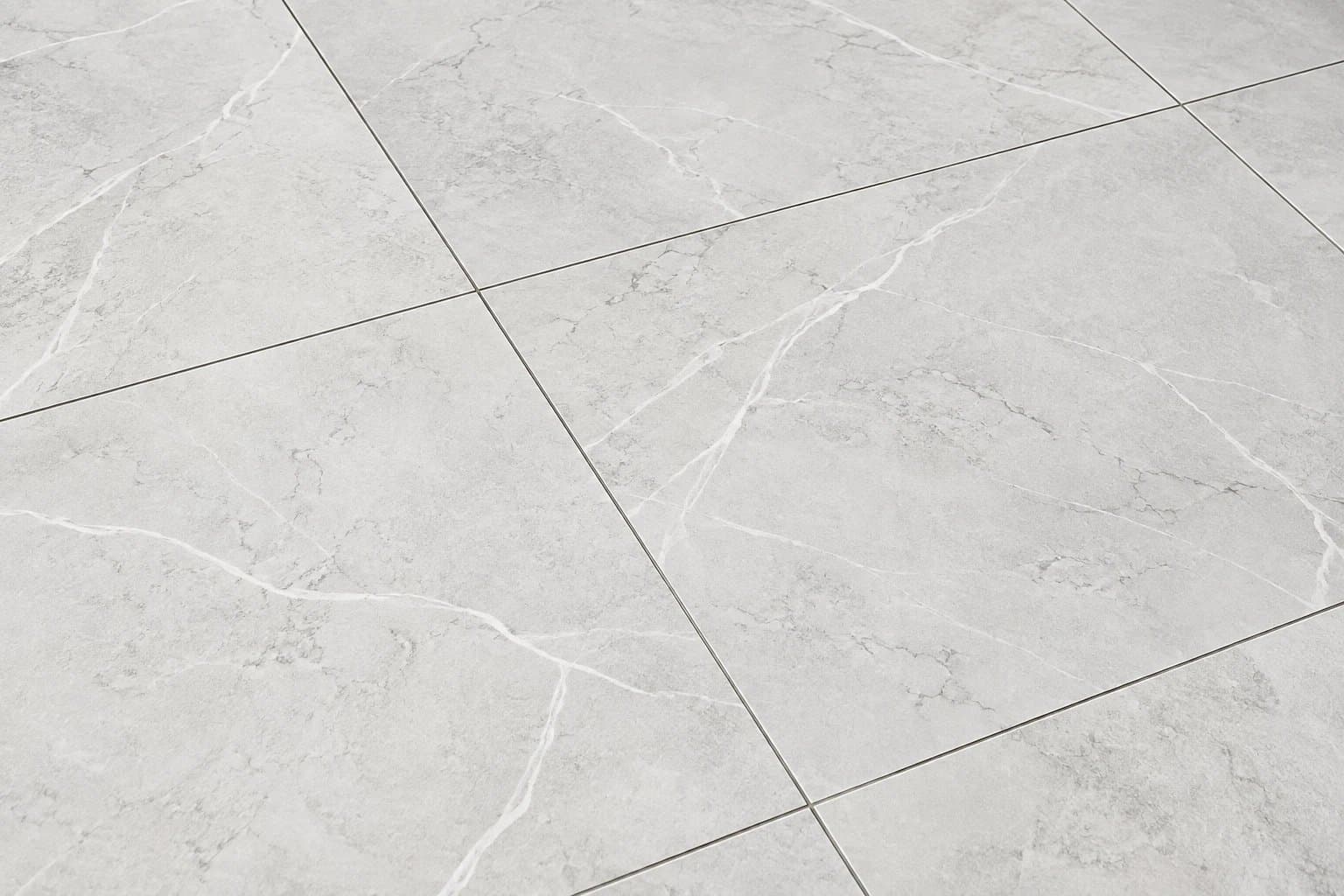
Luxury Vinyl Tile
Stone and tile looks in waterproof vinyl that's warmer and quieter than ceramic, with little or no grout to look after.
Learn more
Free Estimate
Let's talk about your floor.
Call (604) 787-5557 or request a Free Estimate online. The on-site measure is free, there's no obligation, and you'll usually hear back the same day.