
Material
Luxury Vinyl Tile (LVT) Installation
Luxury vinyl tile (LVT) is vinyl flooring made in tile shapes: squares and long rectangles printed to look like slate, marble, concrete or patterned tile. It is not ceramic or porcelain. There's no clay, no mortar bed and no cement grout. The tiles click together or glue down, and many have the grout line built into the edge.
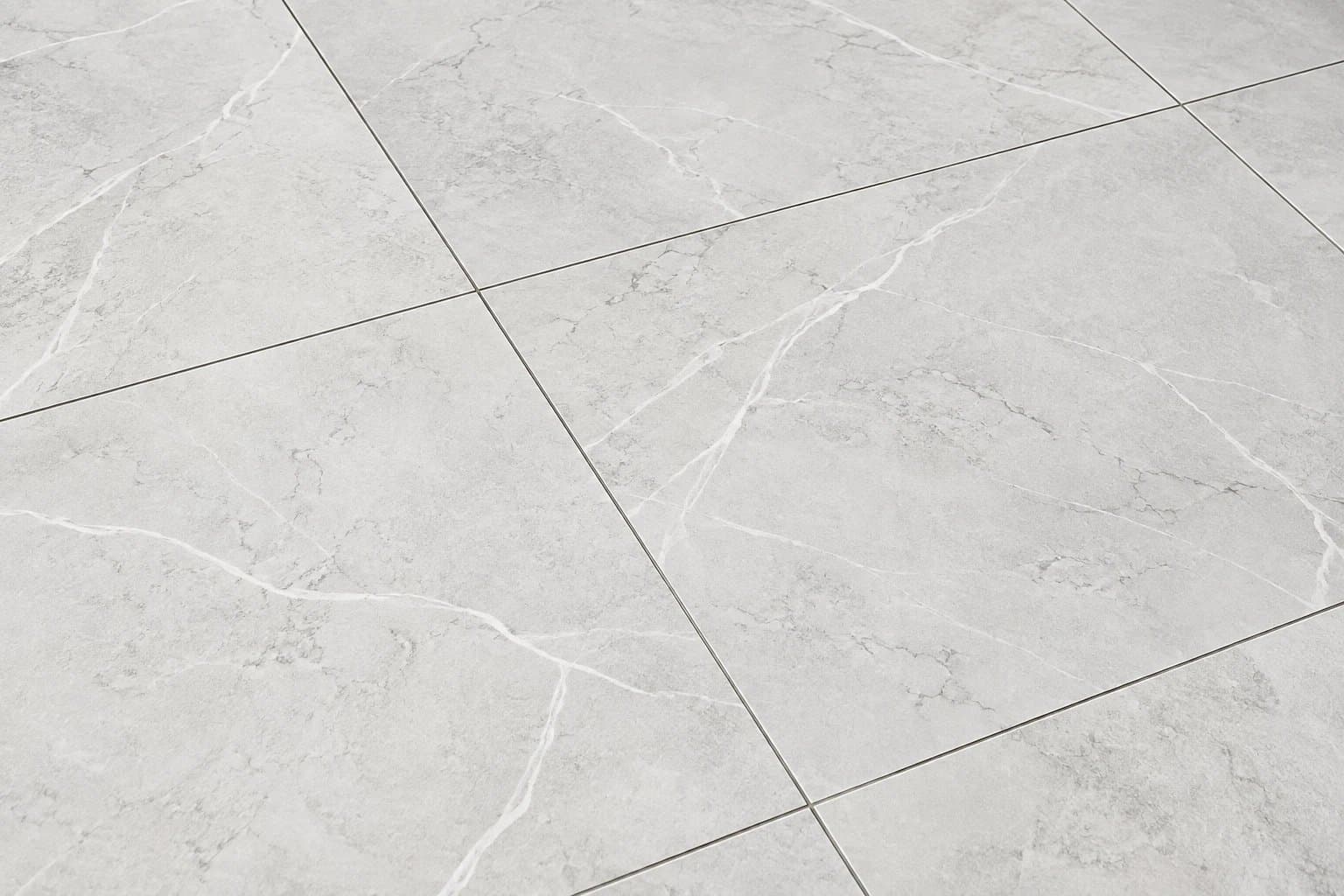
That difference is the whole appeal. You get a tile look in a bathroom, entry or laundry room without a floor that's cold first thing in the morning, clacks under every step, or needs its grout scrubbed and resealed. WoodPro Flooring installs vinyl tile in Maple Ridge, Pitt Meadows and across the Lower Mainland. If you're set on real ceramic or porcelain, that's a job for a tile setter, and we'll tell you so up front.
Why homeowners choose it
Stone and tile looks
Slate, marble, concrete and patterned designs in squares and long rectangles, with no mortar bed. The floor is thinner and lighter than ceramic, and it can often go over a flat existing floor.
Warmer and quieter than ceramic
Vinyl doesn't pull heat out of bare feet the way ceramic does, and it softens footsteps. You notice both in a bathroom first thing in the morning, or in an entry that opens onto the rest of the house.
Waterproof tiles
Wet boots, bath splashes and laundry spills won't swell or stain the tile. In wet rooms the edges still get sealed, because water that gets underneath is the real risk.
Little or no grout to look after
Ungrouted tiles have no grout at all. Groutable tiles use a flexible grout made for vinyl, which is far less prone to cracking than cement grout, and most types don't need sealing.
The honest version
Pros and cons
Pros
- Looks like stone or tile but is warmer and quieter underfoot
- The tiles are waterproof, which suits bathrooms, entries and laundry rooms
- No cement grout to crack, stain or reseal
- Thinner and lighter than ceramic, so it can often go over a flat existing floor
- Click-together tiles can be walked on as soon as they're down, with no mortar to cure
Cons
- It's still vinyl: grit, heavy furniture feet and dragged appliances can scratch or dent it where ceramic wouldn't mark
- Thin glue-down tiles show every ridge and dip in the floor beneath them, so preparing the subfloor can take longer than laying the tile
- It doesn't go inside a shower, and in a higher-end bathroom some buyers still expect real tile
- A worn or gouged tile can't be refinished, only swapped out, and a replacement from a later production run may not match exactly
Vinyl tile is not ceramic tile: here's the difference
Ceramic and porcelain are fired clay, set in a bed of mortar with cement grout between the tiles. They're very hard and very rigid. That rigidity is why a dropped pan can crack a tile, and why grout cracks when the floor underneath moves.
Luxury vinyl tile is built in layers: a vinyl core, a printed image of stone or tile, and a clear wear layer on top. Rigid-core tiles (often sold as SPC, stone plastic composite) click together and float over the subfloor. Thinner, flexible tiles are glued down. Either way there's no mortar to mix or cure, so the floor is thinner, lighter and quicker to put down.
Vinyl feels warmer because it doesn't draw heat out of your feet the way ceramic does. It's also softer, so footsteps are quieter and a dropped glass has a better chance.
Vinyl tile is graded by the same clear wear layer as vinyl plank, measured in mils, and the luxury vinyl plank page explains how to read it. With tile, the room usually decides. A bathroom sees bare feet and very little grit, so a mid-range wear layer does fine there. An entry takes the sand and small stones that come in on every pair of shoes, so that's where the thickest wear layer you can get is worth having.
Tile also shows what's under it, in two different ways. Rigid click tiles need the floor flat, like any floating floor, or the joints strain over dips. Thin glue-down tiles need it smooth as well: a ridge of old adhesive, a nail head or a sunken grout line can show through as a bump, most of all when light from a window rakes across the floor. Finding that at the measure, and fixing it with levelling or patching, beats finding it on install day.
Grouted or ungrouted vinyl tile
Ungrouted tiles lock tight against each other. The grout line is a bevel or a printed line along the tile's edge, so there's nothing in the joint to stain, crack or seal, and the floor cleans with a damp mop. The trade-off is that up close, a printed line looks flatter than a real joint.
Grouted tiles are laid with a small, even gap that's filled with a grout made for vinyl. It isn't cement grout. It stays slightly flexible, so it can move with the floor rather than crack, and most types don't need sealing. The joint has real depth and texture, so the floor looks much closer to ceramic. It's still a joint, though: it holds more dirt than a smooth edge, and the grout needs time to set before the room goes back into use.
Only grout a tile the manufacturer says can be grouted, using the grout and gap width it specifies. Grout in a floating floor that isn't made for it stops the floor moving the way it needs to, and can void the manufacturer's warranty.
As a rough guide, ungrouted suits a busy entry or laundry room where quick cleaning matters most. Grouted suits a bathroom where you want the closest thing to real tile.
Bathrooms, entries and laundry rooms: getting the edges right
The tiles won't be harmed by water. The weak points are the edges: splashes off the tub, a toilet tank that sweats in humid weather, a wet bath mat pushed against the wall. A little water gets past an unsealed edge each time, and water under a floor has nowhere to dry out. In a bathroom, the edges matter more than the tile.
That means flexible sealant along the tub, around the toilet and at the walls. The toilet usually comes up so the floor can be fitted to the flange and the toilet set back on top, instead of the tile being cut around its base; the flange height gets checked too, because the new floor raises the surface around it. A floating floor needs room to move, so it goes around a fixed vanity rather than under it. And vinyl tile is a bathroom floor, not a shower floor. It doesn't belong inside the shower.
In an entry, grit does more damage than water. Sand and small stones carried in on shoes act like sandpaper on the wear layer, so a mat inside the door and another outside does more for the floor than anything else.
In a laundry room, vinyl tile handles a spill or an overflow you catch. It won't save you from a supply hose that drips behind the washer for a month. A drip tray or an inexpensive leak alarm under the machine is worth having. Over a concrete slab, the slab should be checked for moisture and the product's vapour barrier requirements followed.
FAQ
Vinyl Tile: common questions
Something we haven't covered? Ask — the person who answers is the one who does the work.
Is luxury vinyl tile the same as ceramic or porcelain tile?
No. Ceramic and porcelain are fired clay set in mortar with cement grout. Luxury vinyl tile is a layered vinyl product that clicks together or glues down. It looks like tile, but it's warmer, quieter and softer underfoot. It also isn't as hard, so it can scratch or dent where ceramic wouldn't. WoodPro installs vinyl tile only, not ceramic or porcelain.
Can vinyl tile go over my existing ceramic tile?
Often, and it saves tearing the old tile out. The old tile has to be flat and firmly bonded, with no cracked or hollow-sounding tiles. Deep grout lines can show through thinner vinyl, so they may need filling first. Rigid-core tiles bridge them better. Also check the added height at doorways, under the dishwasher and at the toilet. We look at all of this at the free measure rather than guessing from photos.
Is vinyl tile okay in a bathroom with a shower?
On the bathroom floor, yes, with the edges sealed along the tub, the toilet and the walls. Not inside the shower itself. A shower needs its own waterproof base, and vinyl tile isn't made for standing water or constant spray.
Does grouted vinyl tile need sealing?
Most grouts made for vinyl tile are ready-mixed and flexible and don't need sealing, but follow the instructions for the specific grout. It's still a joint, so it collects more dirt than a smooth edge. A damp mop, and a soft brush along the lines now and then, keeps it clean. Avoid harsh cleaners and steam mops unless the manufacturer allows them.
What happens if a vinyl tile gets damaged?
Usually one tile can be replaced without redoing the floor. A glue-down tile is lifted and a new one set in its place. A damaged click tile is cut out and a new one fitted, or the row is unclicked from the nearest wall. Keep a box of spares from your original order. Colour can shift slightly between production runs, and a tile from a different run may stand out.
Goes well with
Related services & materials
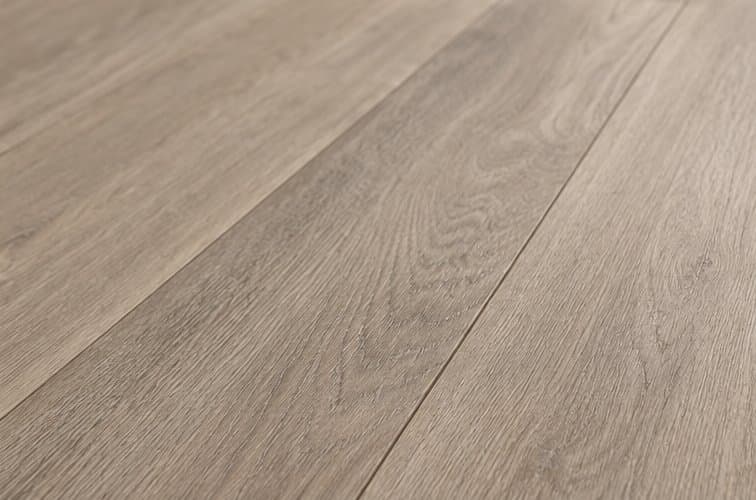
Luxury Vinyl Plank
A plank that water won't swell, for basements, kitchens and homes with pets, as long as the floor underneath is flat.
Learn more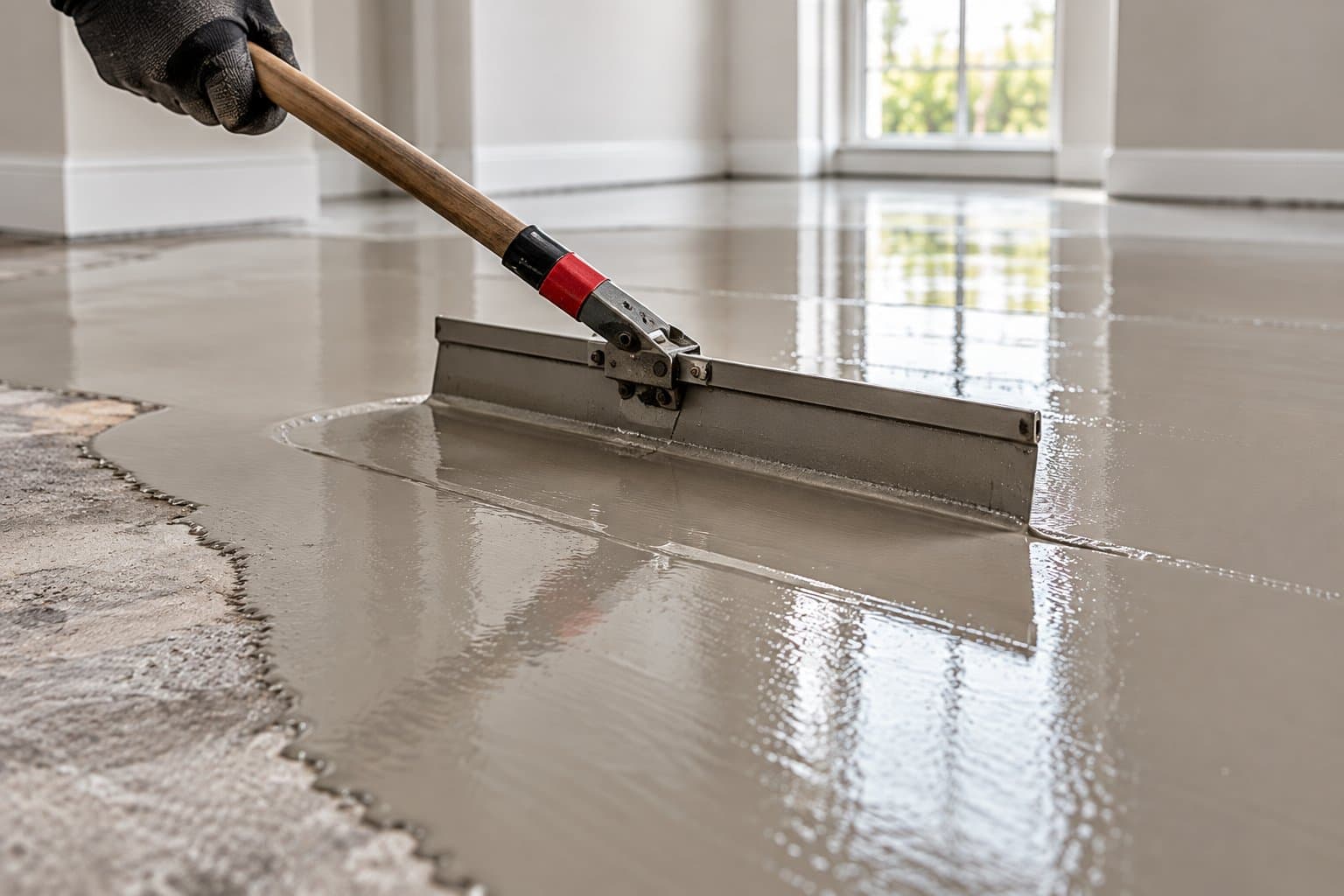
Floor Levelling
High spots ground down and low spots filled before the new floor goes in, so the planks sit flat instead of flexing at the seams with every step.
Learn more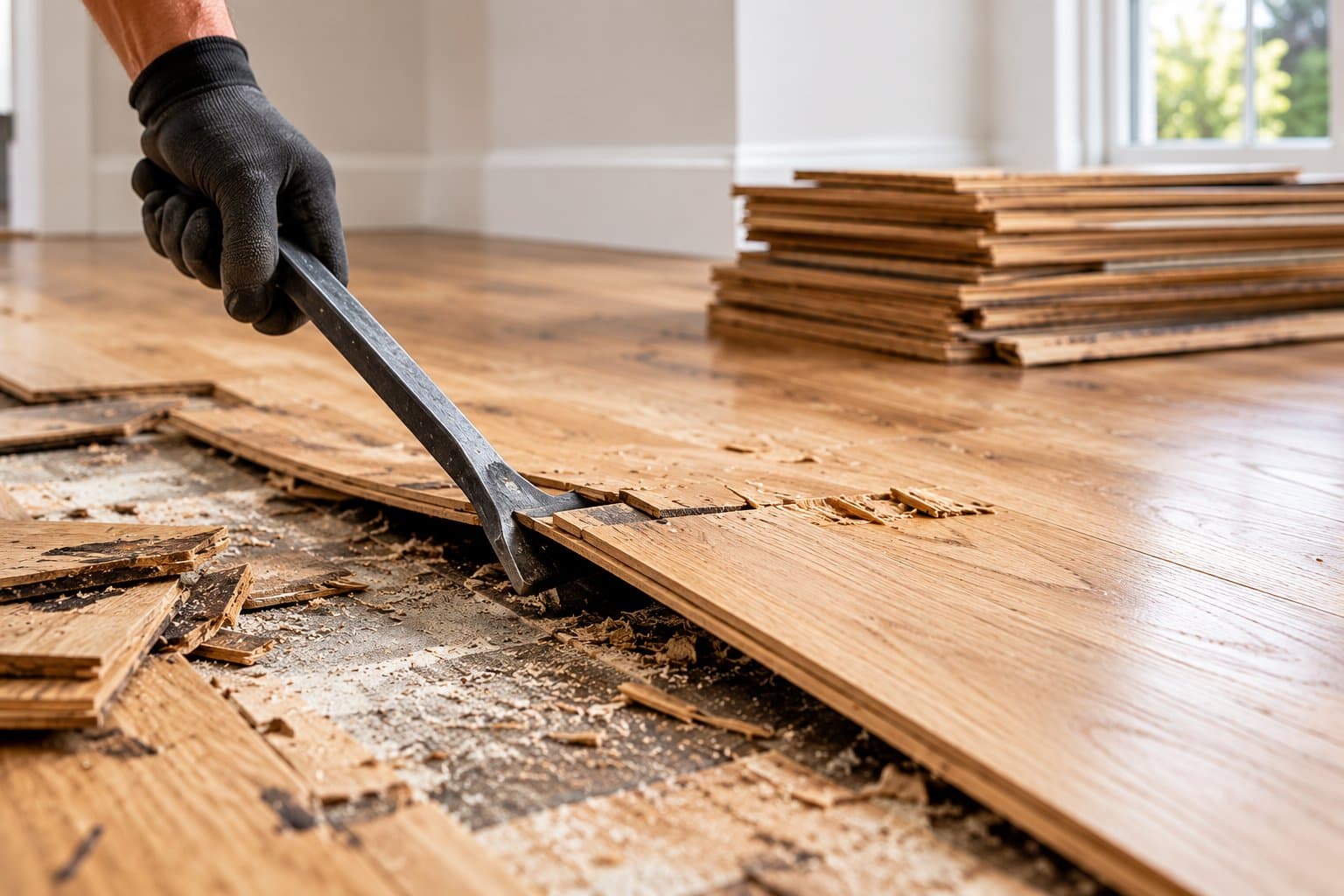
Floor Removal & Disposal
Old carpet, laminate, vinyl and tile taken up and hauled away, with the bare subfloor checked and pre-1990 vinyl and adhesive tested for asbestos before it's disturbed.
Learn more
Free Estimate
Let's talk about your floor.
Call (604) 787-5557 or request a Free Estimate online. The on-site measure is free, there's no obligation, and you'll usually hear back the same day.